News, Events & Stories
One Mission, A Continuum of Care
What it means for TASK to provide meals and more
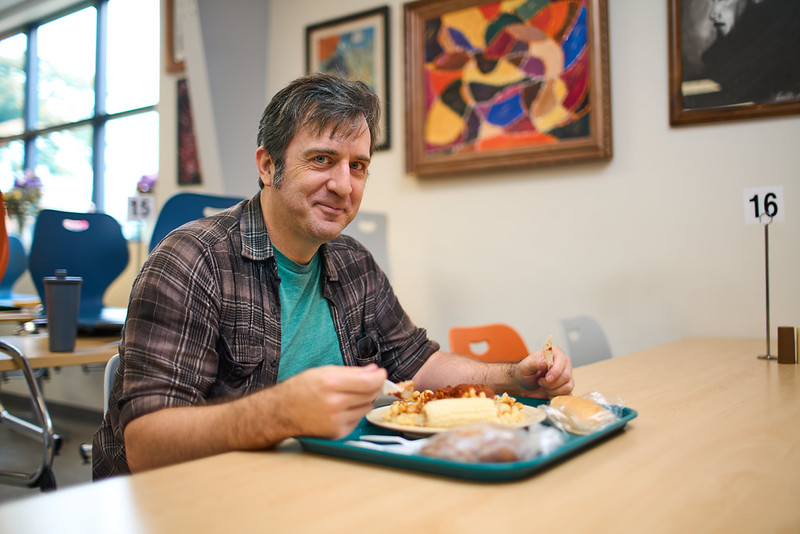
For a soup kitchen like TASK, providing a nutritious meal is at the heart of our mission. For more than four decades, food has been at the center of what we do, addressing one of the most basic human needs that is the key to a healthy and thriving community.
But hunger is a complex problem — it is both a consequence of hardship and a force that deepens it.
For example, high housing costs may force a family to choose between paying rent and buying groceries. At the same time, hunger can impact a child’s performance in school or an adult’s ability to work, increasing the family’s long-term risk of financial and housing instability.
This bidirectional connection is why hunger cannot be solved by food alone. Meals are essential because they provide immediate relief and nourishment, but lasting progress requires a broader continuum of care.
Several years ago, Jacob Wall found himself in crisis. When his mother unexpectedly sold the family home and moved, Jacob suddenly had nowhere to live. He was working full-time at a local grocery store, but because he couldn’t afford rent, he started living in his car. “I realized what it was like to have no one,” Wall says.
After a few months, Wall found safe shelter at the Rescue Mission of Trenton. There, he learned about TASK. Wall began coming to Escher Street for meals and later found community in the creative arts program. With the help of TASK case managers, Wall got help obtaining official identification documents and support in his housing search.
Says Wall, “TASK wants to grab you and say, You’re worth hoping for! It’s very easy to have friends here.”
Today, Wall has had consistent housing for three years. He’s active in the local music scene and he even serves on the Mercer County Continuum of Care program committee to advocate for people experiencing homelessness. Last year, Wall joined TASK to testify at the State House to advance legislation that would improve living conditions for renters.
“Our role is to provide access, opportunity and support — not prescribe a single path. Every person’s journey is unique,” says TASK CEO Amy Flynn. She adds,
“A meal provides nourishment for today, a continuum of care creates possibilities for tomorrow.”
At TASK, community members can access case management, identification services, mental health peer support, workforce readiness programs and creative arts classes. Each resource offers another step toward self-sufficiency and an opportunity for meaningful change.
Providing comprehensive services does not mean TASK can solve every challenge alone. It means working collaboratively with government agencies, nonprofit partners, health care providers, housing organizations and countless others to create a coordinated safety net. When organizations share expertise and connect people to the right resources, fewer individuals are left to navigate complicated systems alone.
“TASK’s food first approach meets a basic human need, but it also provides an opportunity to build trust and help people move toward healthier, more stable lives,” says Flynn. “Through this approach, TASK is more than a place to eat — we are a place of connection, opportunity and hope.”
Read More
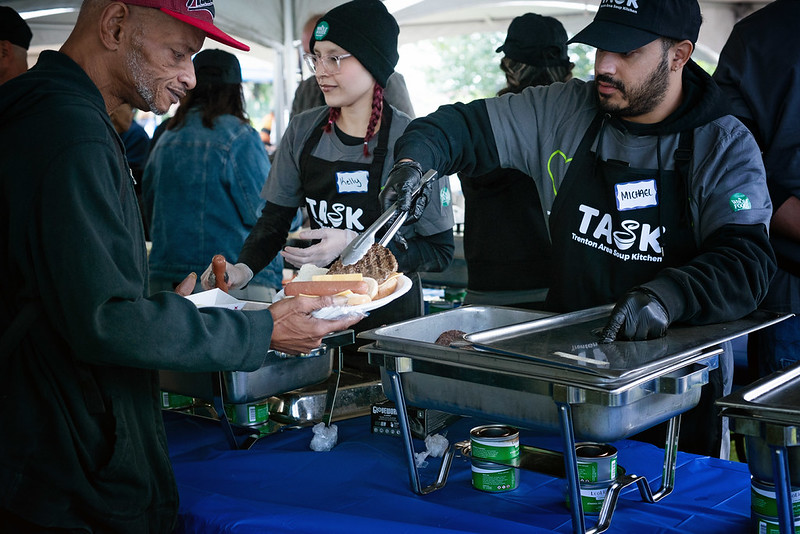
Feeding Hope & Building Community
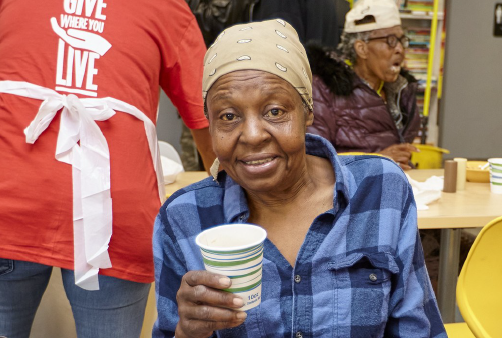
Meals That Matter
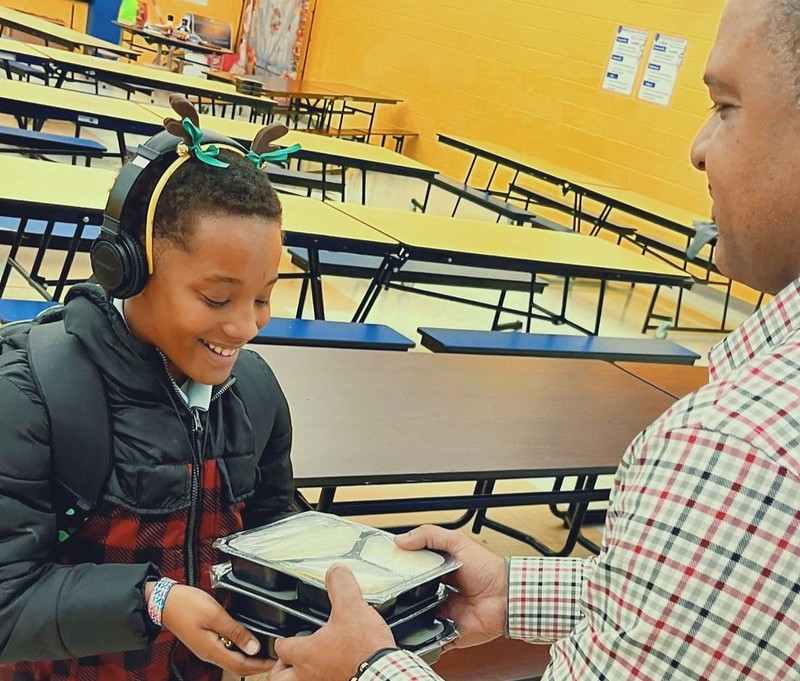
Meeting People Where They Are